
What makes a place feel like home when you are thousands of kilometres away?
Sometimes, it is not the familiar streets, the language or even the people. Sometimes, it is the aroma of freshly prepared dal, the taste of homemade biryani or a plate of hot samosas shared with friends after a long university day.
For Indian students moving to Russia for higher education, food becomes an important part of adjusting to a new environment.
The transition from familiar Indian meals to a different food culture can be an experience in itself. But living abroad does not mean leaving Indian culinary traditions behind.
In Veliky Novgorod, Russia, Indian students are not just experiencing a new country; they are also finding opportunities to share their cuisine, celebrate their traditions and introduce others to the diversity of Indian food.
From everyday meals to university cultural festivals, Indian cuisine is becoming a delicious way of keeping home close.
More Than Just Food: Why Indian Cuisine Matters to Students Abroad
Indian food is deeply connected to family, regional identity and cultural traditions.
A simple meal of rice and dal, homemade roti or a favourite regional dish can bring back memories of family dinners and celebrations.
For students pursuing MBBS in Russia, adapting to a different food environment is one of the practical aspects of international student life.
The Comfort of Familiar Indian Meals
When students move to a new country, their everyday routines change. They experience different weather conditions, languages, academic schedules and food habits.
Having access to familiar meals can make this transition more comfortable.
Some everyday Indian food favourites include:
- Dal and rice: A simple, nutritious and familiar combination.
- Roti and sabzi: An everyday meal enjoyed across many Indian households.
- Vegetable pulao: A convenient rice-based meal with vegetables and spices.
- Poha and upma: Popular breakfast options in many Indian regions.
- Khichdi: A comforting combination of rice and lentils.
- Homemade curries: A way to recreate familiar regional flavours.
These dishes are more than everyday food choices. They represent the comfort and familiarity students often miss when living away from their families.
Cooking Together: A Little Taste of Home in Student Life
Food also has a social side.
Preparing meals with friends, sharing recipes and experimenting with ingredients can become part of the international student experience.
For Indian students living in Novgorod, cooking familiar dishes can offer an opportunity to connect with fellow Indians while learning about the food preferences of students from other countries.
From Family Recipes to Student Kitchen Experiments
Imagine a group of students trying to prepare their favourite Indian meal after university classes.
One student knows how to make a perfect vegetable pulao, another has a family recipe for paneer curry, while someone else insists that homemade chai is incomplete without the right masala.
These small experiences can turn an ordinary evening into a memorable part of student life.
When Indian Cuisine Reaches the Heart of Novgorod
One of the most interesting ways Indian food becomes visible in a foreign country is through cultural exchange.
At Novgorod State University, international food festivals have created opportunities for students to introduce their national cuisines to university members and local residents.
A Celebration of Indian Flavours at the World Cuisines Festival
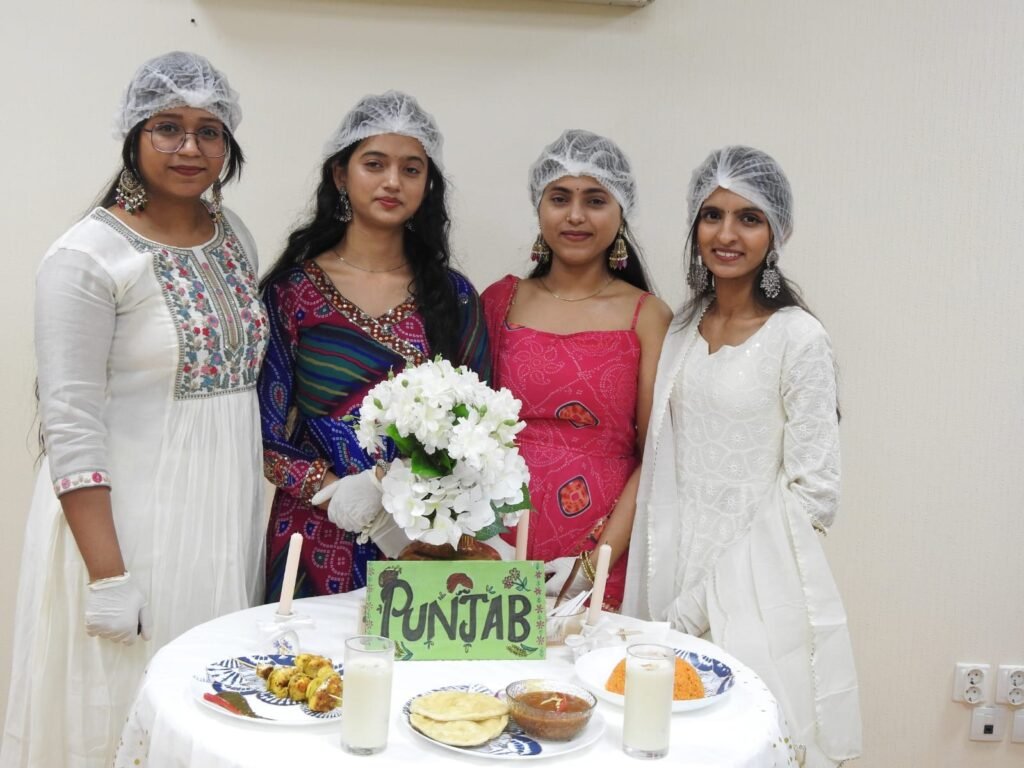
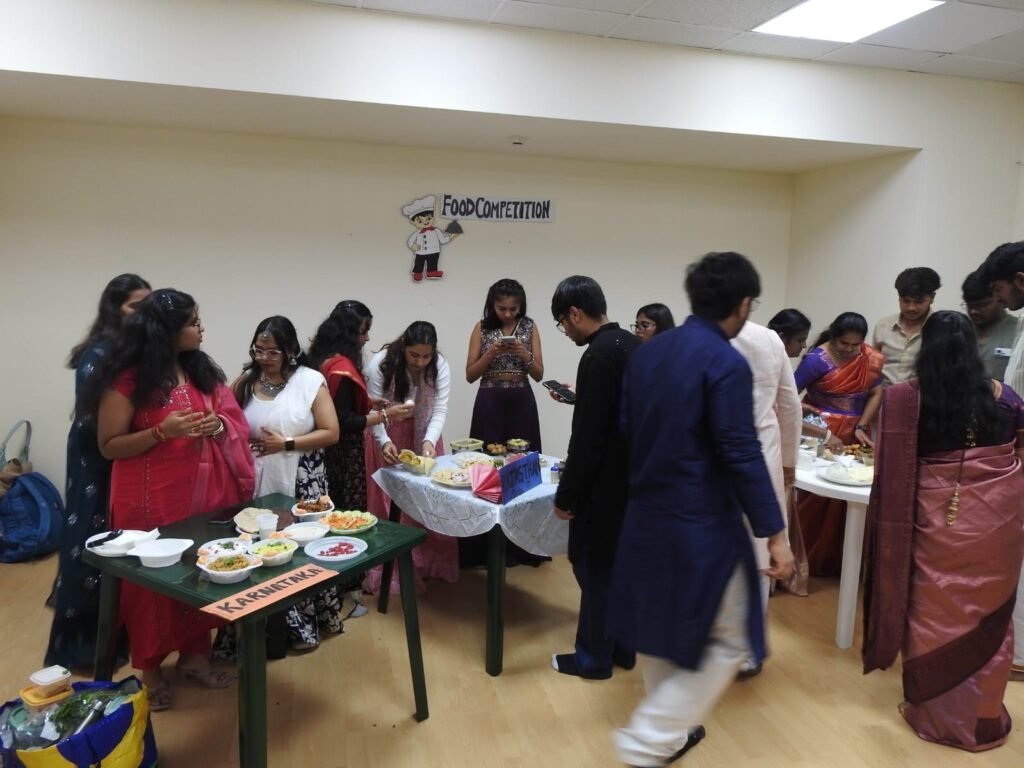
In May 2026, Novgorod State University hosted its annual World Cuisines Festival, bringing together 80 students, university employees and residents of Veliky Novgorod.
The festival featured cuisines from five countries: India, Morocco, Uzbekistan, Iran and Iraq.
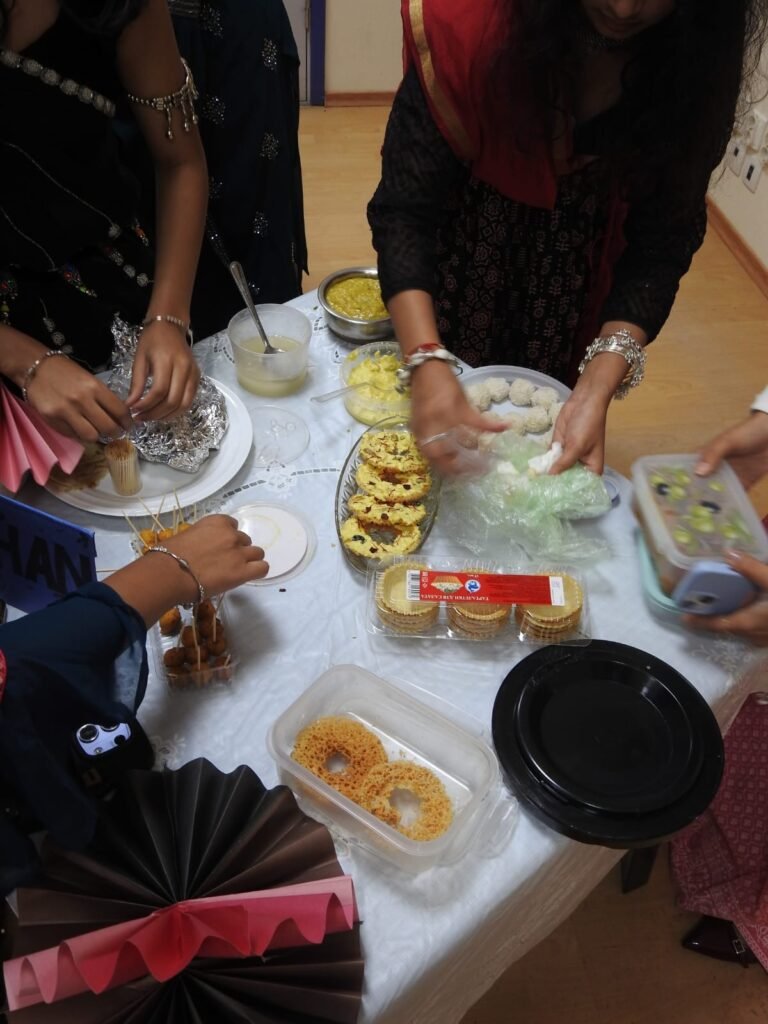
Indian students presented several traditional dishes, including:
- Naan: A traditional Indian wheat-flour flatbread.
- Samosa: A popular savoury pastry, commonly filled with spiced potatoes and vegetables.
- Paneer: A fresh Indian cheese used in a variety of traditional preparations.
- Kheer: A traditional rice-based dessert enjoyed across India.
An interesting detail was that the international students prepared the dishes themselves.
The event was organised to encourage intercultural interaction and support the adaptation of international students.
It was more than a food-tasting experience; it was an opportunity for different cultures to meet around a shared table.
Indian Food and Festivals: A Combination That Travels Everywhere
Indian festivals are closely connected with food.
Almost every major celebration has its own collection of traditional dishes, sweets and regional specialities.
Whether it is Diwali sweets, Navratri delicacies, Eid preparations or regional harvest celebrations, food plays an important role in bringing people together.
For Indian students living in Russia, these culinary traditions offer another way to celebrate familiar occasions.
Navratri in Novgorod: Where Food Meets Indian Culture
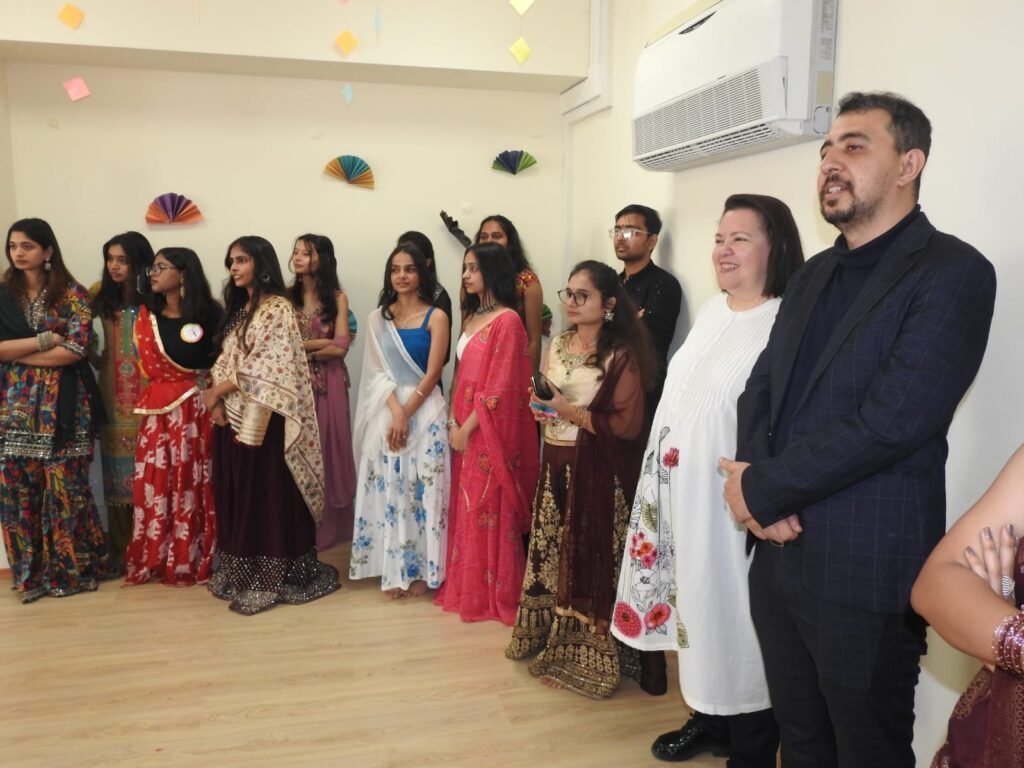
In October 2026, Indian students from Novgorod State University celebrated Navratri at the university’s partner venue, DelMos.
The students organised the programme themselves and introduced guests to Indian cuisine and traditional dance.
The food experience included:
- Biryani: A flavourful rice-based dish.
- Kheer: A traditional Indian rice dessert.
- Kebabs: A variety of seasoned and grilled preparations.
- Chapati: A traditional Indian flatbread.
- Puri: A deep-fried Indian bread.
- Dosa: A thin, fermented rice-and-lentil preparation.
The celebration continued with Garba, a traditional Gujarati folk dance performed in colourful Indian outfits.
It was a wonderful example of how food, music, dance and traditions can come together to create a familiar Indian festive atmosphere in Russia.
Why Food Is an Important Part of Indian Cultural Celebrations
Food allows students to share their culture in a way that everyone can experience.
A person may not understand every Indian festival or traditional ritual, but sharing a plate of samosas, tasting kheer or discovering the flavours of biryani can make cultural exchange more approachable.
Different Regions, Different Flavours
India’s culinary diversity is one of its greatest cultural strengths.
- North India: Chole, parathas, paneer preparations and various sweets.
- South India: Dosa, idli, sambar and coconut-based dishes.
- West India: Dhokla, thepla, poha and regional snacks.
- East India: Traditional rice preparations, fish dishes and sweets.
When students from different Indian states come together in Novgorod, they bring different food traditions and family recipes with them.
This makes Indian food a reflection of the country’s diversity rather than a single cuisine.
Adapting to Russian Food Culture While Studying MBBS
Living in Russia also means experiencing a different culinary culture.
Russian food has its own distinctive dishes, ingredients and eating habits. For Indian students, exploring local cuisine can become an interesting part of adapting to everyday life.
Russian Foods Indian Students May Discover
Students may come across several traditional Russian dishes during their stay.
- Borscht: A beetroot-based soup popular in several Eastern European cuisines.
- Pelmeni: Dumplings traditionally filled with meat.
- Blini: Thin pancakes that can be served with sweet or savoury fillings.
- Olivier Salad: A popular salad made with vegetables and other ingredients.
- Syrniki: Small cottage-cheese pancakes, often served with sour cream or jam.
Food preferences differ from student to student. Those following vegetarian, vegan or other dietary requirements should check ingredients carefully before trying unfamiliar dishes.
Balancing Indian Food Preferences With a New Environment
Students do not necessarily have to choose between Indian and Russian cuisine.
Exploring local food while preparing familiar meals can create a balanced approach to everyday eating.
Some practical considerations include:
- Learning the names of common food ingredients in Russian.
- Checking food labels and ingredient lists.
- Understanding vegetarian and non-vegetarian food options.
- Planning meals around university schedules.
- Learning a few simple recipes that can be prepared with locally available ingredients.
For students moving abroad for the first time, these small adjustments can make everyday life easier.
What Should Indian Students Know About Food Before Moving to Novgorod?
Food is an important consideration for students and parents planning MBBS in Russia.
Rather than assuming that every Indian ingredient or dish will be readily available, students should understand their accommodation arrangements and local shopping options before travelling.
Understanding Everyday Food Arrangements
Before joining a university in Russia, students should clarify:
- Whether their accommodation has access to a shared kitchen.
- Whether cooking facilities are available in their hostel.
- Whether the university provides meal services.
- What vegetarian and non-vegetarian food options are available.
- Where they can purchase everyday groceries.
These details can vary depending on accommodation and university arrangements.
Learning to Prepare Simple Meals
Knowing a few basic recipes can be helpful when living abroad.
Five Simple Meals Every Indian Student Can Learn
- Dal and rice.
- Vegetable pulao.
- Poha.
- Vegetable khichdi.
- Simple paneer or vegetable curry.
Learning these recipes before moving can help students become more independent and comfortable with everyday meal preparation.
The Beautiful Connection Between Food, Friendship and Home
One of the most memorable parts of studying abroad is discovering how small experiences become meaningful memories.
A shared dinner after classes, a homemade Indian meal during a festival or introducing a Russian friend to your favourite Indian sweet can become a special part of university life.
For Indian students in Novgorod, food can create opportunities to build friendships across cultures.
It also gives local communities a chance to discover Indian traditions beyond what they see in books, films or social media.
And perhaps that is what makes food so special: it creates connections without needing a common language.
Frequently Asked Questions (FAQs)
1. Is Indian food available in Novgorod, Russia?
Students should check current local grocery options and university facilities before arriving. Indian dishes can also be prepared using suitable locally available ingredients. Availability of specific Indian groceries and restaurants should not be assumed without verification.
2. Do Indian students cook their own food in Russia?
Cooking arrangements depend on the university accommodation. Students should confirm whether their hostel provides kitchen facilities, meal services or access to shared cooking spaces before admission.
3. What Indian food was presented at Novgorod State University’s World Cuisines Festival?
At the May 2026 festival, Indian students presented naan, samosas, paneer and kheer. The event featured cuisines from India and four other countries.
4. Do Indian students celebrate Indian food traditions during festivals in Novgorod?
Yes. Indian students have showcased traditional food as part of cultural celebrations. During the October 2026 Navratri celebration, students introduced guests to biryani, kheer, kebabs, chapati, puri and dosa.
5. What Russian foods can Indian students try?
Students can explore traditional dishes such as blini, borscht, syrniki and pelmeni. Those with dietary restrictions should check ingredients, particularly in dishes containing meat or dairy.
6. Is studying MBBS in Russia suitable for Indian students who prefer Indian food?
Students who prefer Indian food can plan their meals, learn basic cooking and investigate local grocery options before moving. The suitability of a particular university also depends on accommodation, facilities, academic arrangements and individual preferences.
Conclusion: A Little Taste of India, Thousands of Kilometres Away
Moving to Russia introduces Indian students to a completely new environment, but it does not mean they have to disconnect from their culture.
From homemade meals and familiar recipes to university food festivals and traditional festive delicacies, Indian cuisine continues to create meaningful connections in Novgorod.
What begins with a plate of samosas or a bowl of kheer can turn into a conversation, a friendship or a shared cultural experience.
Because sometimes, the feeling of home is not about where you are living. It is about the traditions, flavours and memories you carry with you.
Planning to pursue MBBS in Russia?
Your university experience is about more than classrooms and examinations. It is also about discovering new cultures, building friendships and creating memories abroad.
Connect with Aacharya Education to explore MBBS opportunities in Russia and learn more about student life at international universities.
Visit aacharyaeducation.com to get started.